
Nigeria’s real estate landscape is undergoing a profound transformation one not driven by market
forces alone, but by a persistent and escalating issue: insecurity. For years, property values have
been influenced by familiar economic factors such as inflation, population growth, urbanisation,
and infrastructure development. In 2025, insecurity has emerged as a dominant force, reshaping
the country’s “property map” in ways that are both subtle and dramatic. From shifting buyer
preferences to the rise of new safe-haven neighbourhoods, insecurity is dictating where
Nigerians live, invest and build.
The most immediate impact of insecurity is a change in how Nigerians perceive location. Areas
once considered prime real estate have slowly slipped into “no-go zones” as frequent reports of
kidnappings, banditry, armed robbery, and community clashes create deeply rooted fear among
residents and investors.
Traditionally, Nigeria’s real estate demand pattern followed a predictable path: proximity to
central business districts, access to major roads, availability of social amenities, and affordability.
Insecurity has disrupted this formula. Today, buyers and tenants prioritize one question above all
others: Is it safe?
This shift has led to noticeable migration patterns, families moving out of once lively areas,
tenants vacating areas now prone to gang activity, developers abandoning half-completed
projects because workers cannot safely access the site. Real estate agents across high-risk
states report a common phenomenon: demand dries up the moment an area becomes associated
with safety concerns.
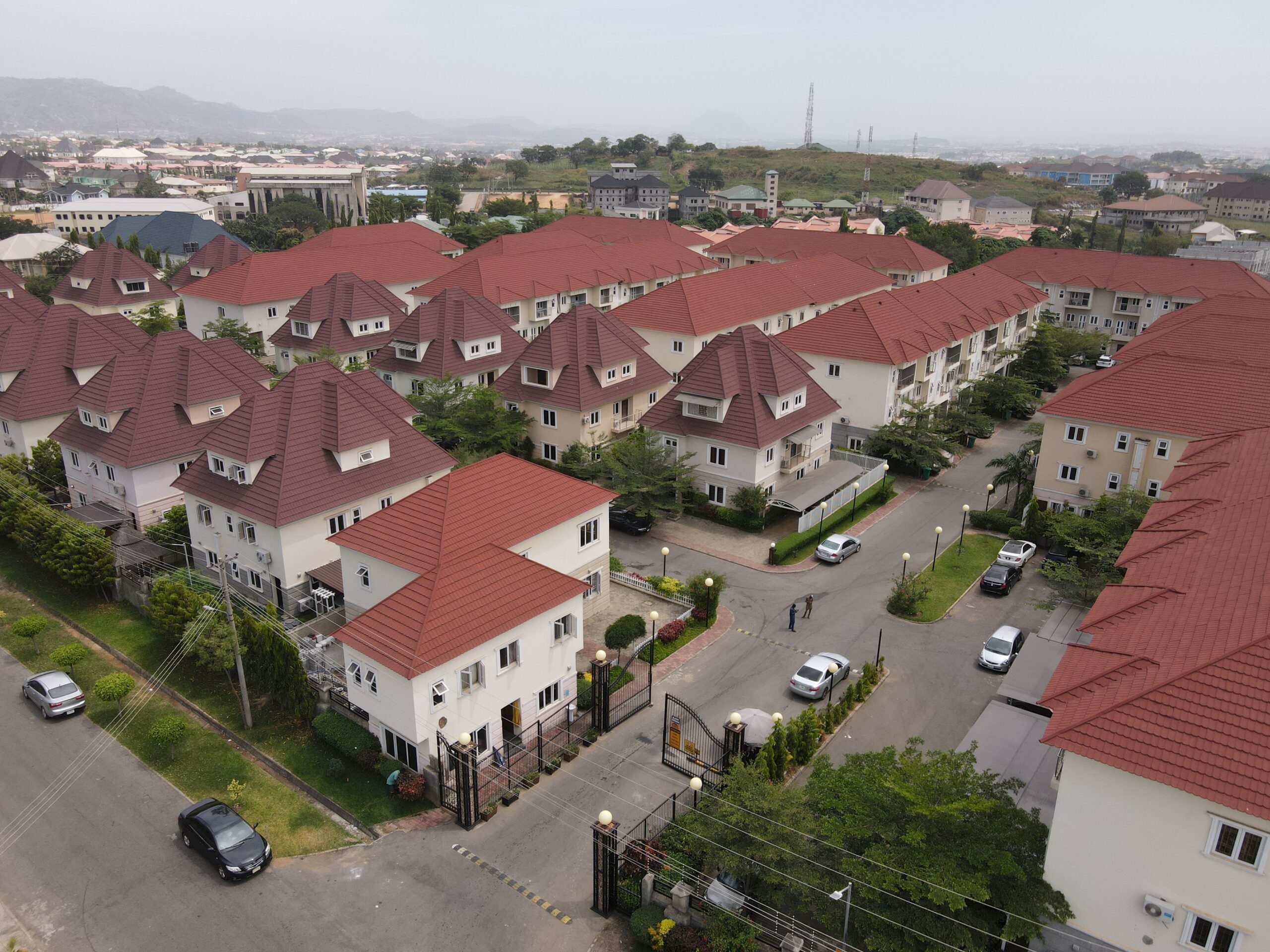
Interestingly, the areas benefiting from this insecurity driven shift are those perceived as safer. In
cities like Abuja, Lagos, Port Harcourt, and Enugu, gated estates have become the new gold
standard for property buyers. The emphasis on controlled access, private security patrols,
perimeter fencing, and surveillance technology has turned these estates into high-demand
hotspots even when they are located farther from city centres or priced above average.
In Abuja, districts such as Guzape, Wuye, Lokogoma, and Katampe are witnessing increased
interest because they strike a coveted balance between relative safety and accessibility.
Developers now advertise “24/7 surveillance,” “armed response teams,” and “smart security
systems” as major selling points.
This shift is not limited to major cities. In states like Kaduna, Niger and Plateau areas affected by
banditry and insurgent attacks, buyers prefer clusters of secured communities, even if the cost is
significantly higher. As a result, property developers in these regions are rethinking project
design, giving security infrastructure the same priority as water supply and power solutions.
Areas considered “no-go zones” are not always the cheapest or the most remote. Some have
historically been middle-income or growing communities but have become unsafe because of
vulnerability to attacks. Locations with a pattern of frequent security incidents highway
abductions, communal conflicts, extremist activity now face declining real estate activity.
Prospective tenants searching online or speaking with agents actively avoid places with recurring
security headlines. Even landlords in high-risk areas now offer reduced rent, flexible paymentoptions, or prolonged rent-free periods to attract occupants. Yet demand remains low.
Developers and investors, whose decisions are often based on risk assessments, have become
visibly cautious. Some companies now include “security rating” criteria before purchasing land
for residential or commercial projects. High-risk areas end up ignored, worsening already
existing housing shortages in those locations.
How Investors Are Recalculating Risk
Insecurity affects not just residential buyers but also commercial investors. Malls, hotels,
factories, and office complexes require stable, secure environments to thrive. When insecurity
enters the picture, insurance premiums rise, staff become reluctant to work late, and customers
avoid the area. Businesses fold and when businesses leave, property values fall.
Investors increasingly favour states or cities with consistent security measures, strong
community policing, and responsive government action. For example, some previously
overlooked suburban areas are attracting fresh capital simply because they remain relatively
safe, while more strategically located zones lose investor confidence due to rising crime.
This trend is visible in the behaviour of foreign investors as well. International real estate firms,
private equity groups, and diaspora Nigerians have shifted their focus to more predictable
markets within Nigeria or abroad. In fact, the push by some firms encouraging Nigerians to invest in foreign properties, is partly rooted in fears about domestic insecurity and economic instability.
Insecurity may be redrawing Nigeria’s property map, but it has not diminished the drive for real
estate. Instead, it is reorganizing the hierarchy of desirable locations and reshaping what
Nigerians consider “home.” Safety,once just a feature is now the foundation upon which property
decisions are made.
The new hotspots will continue to be areas that guarantee security, strong community
structures, and well-planned estates. The no-go zones, unless deliberately rehabilitated, will
remain trapped in cycles of abandonment and devaluation.
Nigeria’s real estate sector is resilient, but insecurity has undeniably rewritten its rules. The
question is no longer just where investors want to buy, it is where they feel safe to buy.

